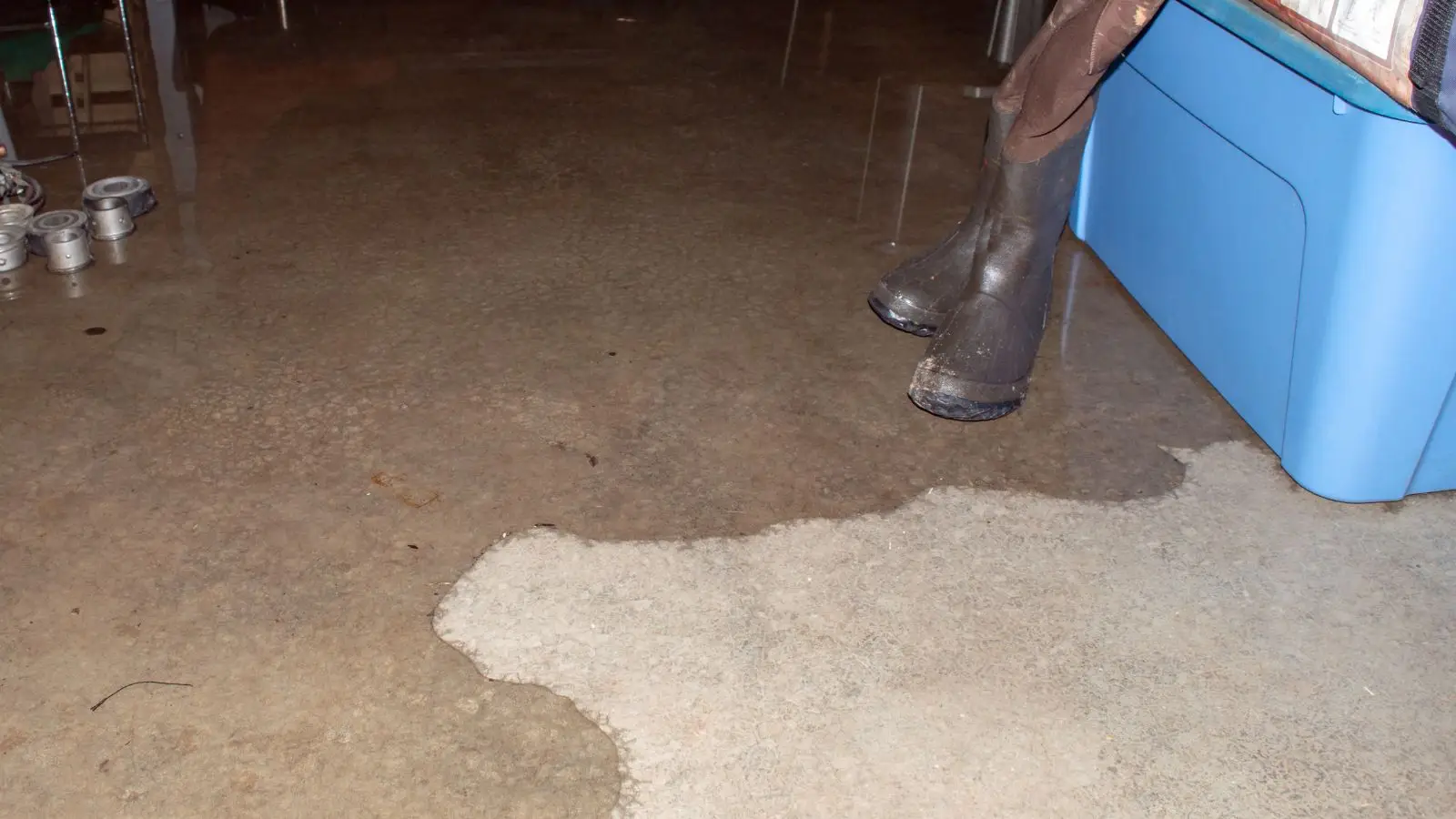
Why Lower Levels Collect Water
A basement sits below the surrounding ground, so water finds it. The causes are a burst pipe, a failed water heater, a floor drain that backs up, a sump pump that stops or groundwater and runoff that seep through walls and floor joints. Because the lowest room is the last stop, water from upstairs often ends up there too.
Many Beverly Hills homes have lower levels, subterranean garages, wine cellars, home theaters and gyms built below grade. These are finished spaces with drywall, wood flooring and expensive equipment, so the cleanup is more about finishes than about bare concrete.
Flood Maps and Groundwater
The FEMA Flood Insurance Study for Los Angeles County, revised June 2, 2021, lists the City of Beverly Hills with no Special Flood Hazard Areas identified. That describes the mapped hazard zone, and it does not mean a lower level can never flood from a pipe, a drain or a heavy storm.
The City of Beverly Hills Local Hazard Mitigation Plan notes that flooding events have occurred mostly in the southeastern and northeastern sectors.
The California Geological Survey describes liquefaction as loose, water-saturated sediments losing strength during strong shaking, and it maps seismic hazard zones statewide. Ask whether your parcel sits in one before digging or waterproofing a lower level.
Source type: Sources: FEMA Flood Insurance Study, City of Beverly Hills Local Hazard Mitigation Plan and California Geological Survey.
What You See and What It Means
| What you see | What it usually means | What to do |
|---|---|---|
| Standing water on the floor | A pipe, drain or groundwater source is active | Stay out, shut off power and call |
| Damp walls with white crusty residue | Water is seeping through masonry | Call for moisture mapping |
| Water at a floor drain | The drain or line is backing up | Treat it as contaminated and call |
| Carpet damp at the edges | Moisture is wicking from the slab or wall | Lift a corner and call |
| Musty smell in the lower level | Hidden damp or early mold | Call for inspection |
Basement Flood Safety: The First Hour
The first risk is electricity. If water is deeper than an outlet, do not walk into it. Shut off power to the area at the panel only if the panel is dry and you can reach it without wading. Otherwise, stay out and call.
Do not wade into deep water
Water and live power can be fatal.
Cut the source
Close the main valve if a pipe is leaking.
Check where the water is from
Dark water or sewer odor means contamination.
Protect upstairs
Move items up and away from the stairs and keep children and pets out.
Photograph from the stairs
Take wide photos and call us and your insurer.
Basement or lower level taking on water?
Call the 24/7 line. The sooner the water is out, the less flooring and drywall is lost.
Our Process for a Wet Lower Level
The crew sets submersible pumps and moves to extractors when the water thins out. Wet carpet and pad, baseboard and the bottom of drywall are checked with a meter. Materials that cannot dry are removed, and contaminated water is handled with extra cleaning steps.
Concrete holds moisture, so dehumidification matters more than fans alone. LGR dehumidifiers and air movers dry the space, and a thermal imaging camera helps find damp areas behind finishes. Readings are logged daily. If mold has begun, mold remediation follows under its own plan. The EPA advises drying water-damaged areas within 24 to 48 hours to limit mold growth.
What Affects the Cost of Basement Water Damage
Finished lower levels cost more to dry than empty ones. These five factors matter most.
Water depth and category
Clean, gray and black water each call for a different plan.
Finished versus unfinished
Drywall, flooring and built-ins add scope.
Area affected
More wet floor area calls for more pumps and drying units.
Drying days
Below-grade concrete releases moisture slowly, so equipment time grows.
Rebuild scope
Finishes and any waterproofing are priced separately.
Coverage often depends on the source. Ask your insurer how your policy treats this kind of loss. Call (424) 550-5662 with the water depth and finishes, and the plan and price are explained before pumping.
Insurance Fit for Basement Water
Insurers draw a hard line between plumbing water and water that comes from outside. A burst pipe is commonly treated as sudden and accidental. Groundwater, surface runoff and flood are commonly excluded from standard homeowners policies. Sewer or drain backup may need an endorsement.
Because the source decides coverage, record where you believe the water came from and keep any plumber's report. Coverage language varies, and your insurer can tell you where yours lands.
Prevention and Mistakes to Avoid
- Walking into standing water with the power on
- Using a household vacuum on wet carpet
- Leaving wet drywall in place because the surface looks dry
- Storing boxes directly on the floor of a lower level
- Skipping a sump pump or drain test before the rainy season
Common questions
Yes. Basement and lower-level calls are taken around the clock, and pumping starts the same day when a crew is available.
No. Restoration dries and repairs the damage. A waterproofing contractor handles seepage and drainage fixes.
No. A supply line leak is clean at first. Drain backups and outdoor water are not, and the crew treats them accordingly.
It depends on the area, materials and humidity. Concrete is slower, and readings decide when drying is complete.
Sometimes, if the water was clean and it is extracted fast. Pad is commonly replaced, and carpet from dirty water is usually removed.
If the water came from outdoors, see flood damage restoration. If a drain backed up, see sewage backup cleanup. Lower-level calls come in from Beverly Hills and West Hollywood. Our service area page shows what is covered.