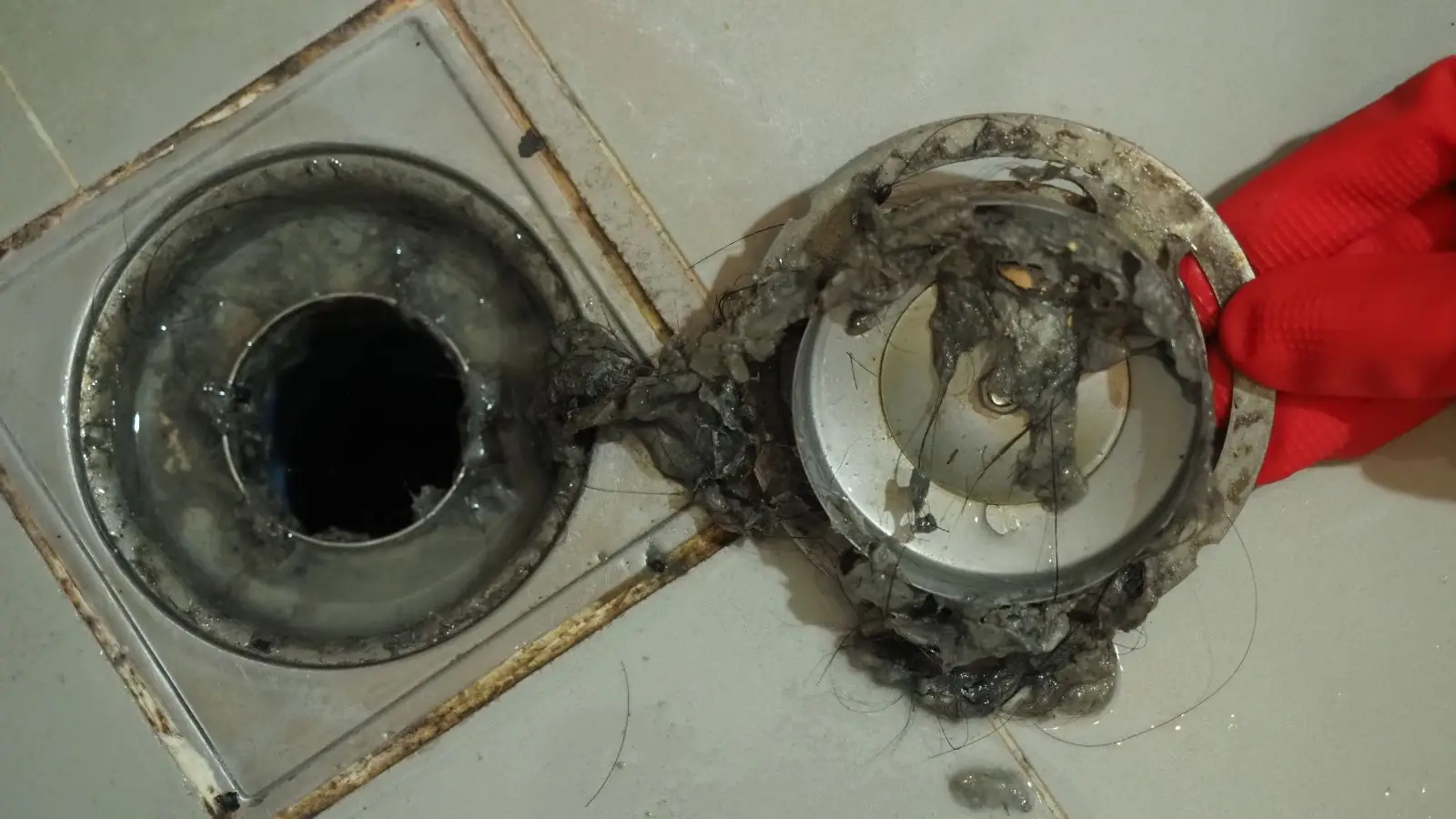
What a Sewage Backup Is and Why It Happens
A sewage backup is wastewater coming up through a toilet, tub or floor drain instead of flowing away. A blockage in the building's lateral line, a root-invaded pipe, a collapsed section or a problem in the public main can all cause it. Heavy use pushes the water up through the lowest fixture it can reach.
Floor drains in garages and lower levels are common exit points. Water at a drain with no clear reason is a warning sign. Sewage is classified as Category 3, or black water, in the ANSI/IICRC S500 reference, and that classification changes the cleanup.
Who Handles Sewer Reports
The City of Beverly Hills Public Works page lists (310) 550-4900 for sewer overflow and back-up reports after business hours, and daytime service from 7:30 in the morning Monday to Thursday until 5:30 in the afternoon, and until 5:00 on Friday. If the blockage may be in the public line, report it there.
The California State Water Resources Control Board requires public agencies that own or operate sanitary sewer systems to report spills to its CIWQS database, including spills of 1,000 gallons or more. That rule is for the agency, and a problem inside your own building is yours to clean up.
U.S. Census Bureau QuickFacts lists 14,449 households in the city, and many share building lines, so one blockage can back up several units.
Source type: Sources: City of Beverly Hills Public Works, California State Water Resources Control Board and U.S. Census Bureau QuickFacts.
What You See and What It Means
| What you see or notice | What it usually means | What to do |
|---|---|---|
| Toilets gurgling or tubs draining slowly | A line is blocked downstream | Stop using water and call a plumber |
| Dark water at a floor drain | The lateral or main line is backing up | Keep out and call |
| Sewer odor indoors | Wastewater or gases are escaping | Ventilate and call |
| Several fixtures backing up at once | The main line is blocked | Stop all water use and call |
| Wet carpet with a foul smell | Contaminated water soaked it | Do not touch and call |
Sewage Backup Safety: The First Hour
Do not use water. Every flush or load of laundry adds to the backup. Keep everyone out of the affected area, especially children, older adults and pets, and do not walk through it. Avoid touching the water, and do not eat or drink near the area.
Stop water use
No flushing, laundry or dishwasher until the line is cleared.
Keep people and pets out
Contact with contaminated water can cause illness.
Power safety
If sewage is near outlets or the panel, switch off that breaker only from dry ground.
Do not use a household vacuum
It can spread contamination and damage the machine.
Call a plumber and us
The plumber clears the line. We extract, remove and sanitize.
Sewage in your home right now?
Stop water use and call the 24/7 line. Cleanup of black water should not wait.
How We Clean Up After a Sewage Backup
Crews wear protective gear, including gloves, boots and respirators. Standing sewage is extracted first. Porous materials that absorbed it, such as carpet, pad and drywall at the base, are removed and bagged, because they cannot be made safe by cleaning.
Hard surfaces are cleaned and treated with antimicrobial products, and the area is dried with air movers and LGR dehumidifiers. HEPA air scrubbers may be used to clean the air. Moisture and cleanliness are checked before rebuilding. The EPA advises that people dealing with sewage take precautions and that professionals handle large events.
What Affects the Cost of Sewage Backup Cleanup
Black water adds steps, so the price follows how much was touched. These five factors matter most.
Area and depth
More affected floor and wall area means more removal.
Porous materials
Carpet, pad and drywall come out more often than hard surfaces.
Protective gear and disposal
Contaminated debris is bagged and removed.
Drying and treatment time
Equipment and antimicrobial steps add days.
Rebuild scope
Flooring, drywall and paint are priced separately.
Many policies treat sewer backup as a separate coverage. Your insurer, not us, decides coverage, so check the policy first. Call (424) 550-5662 and the plan for the contaminated area is priced out before anyone puts on gear.
Insurance Fit for Sewage Backup
Sewer or drain backup is often excluded from a standard homeowners policy unless an endorsement adds it, and it is different from flood coverage. If the backup came from a blocked line on your property, your policy language matters. If it came from the public main, the responsible agency may be involved.
Photograph the damage, keep the plumber's report and save all receipts. Ask your insurer about backup coverage before you start work.
Mistakes to Avoid After a Backup
- Wading through sewage to rescue belongings without protective gear
- Flushing or running water while the line is blocked
- Mixing bleach with ammonia-based cleaners
- Keeping soaked carpet or pad to save money
- Skipping the plumber's camera inspection after the line is cleared
Common questions
Yes. Sewage calls are taken at any hour, nights and holidays included, and a crew goes out the same day when one can.
Small events with proper gear are possible, but large ones need professionals. Black water carries health risks, and porous materials usually must be removed.
A plumber clears and inspects the line. If the blockage is in the public main, contact the responsible utility. We handle the cleanup.
It does once contaminated materials are removed and the area is cleaned and dried. Leaving porous materials in place keeps the odor.
Carpet and pad soaked by sewage are generally removed and discarded.
If flooding came from outdoors too, see flood damage restoration. For cleaning beyond sewage, see water damage cleanup. Sewage calls are answered across Beverly Hills and West Hollywood, with coverage spelled out on the service area page.