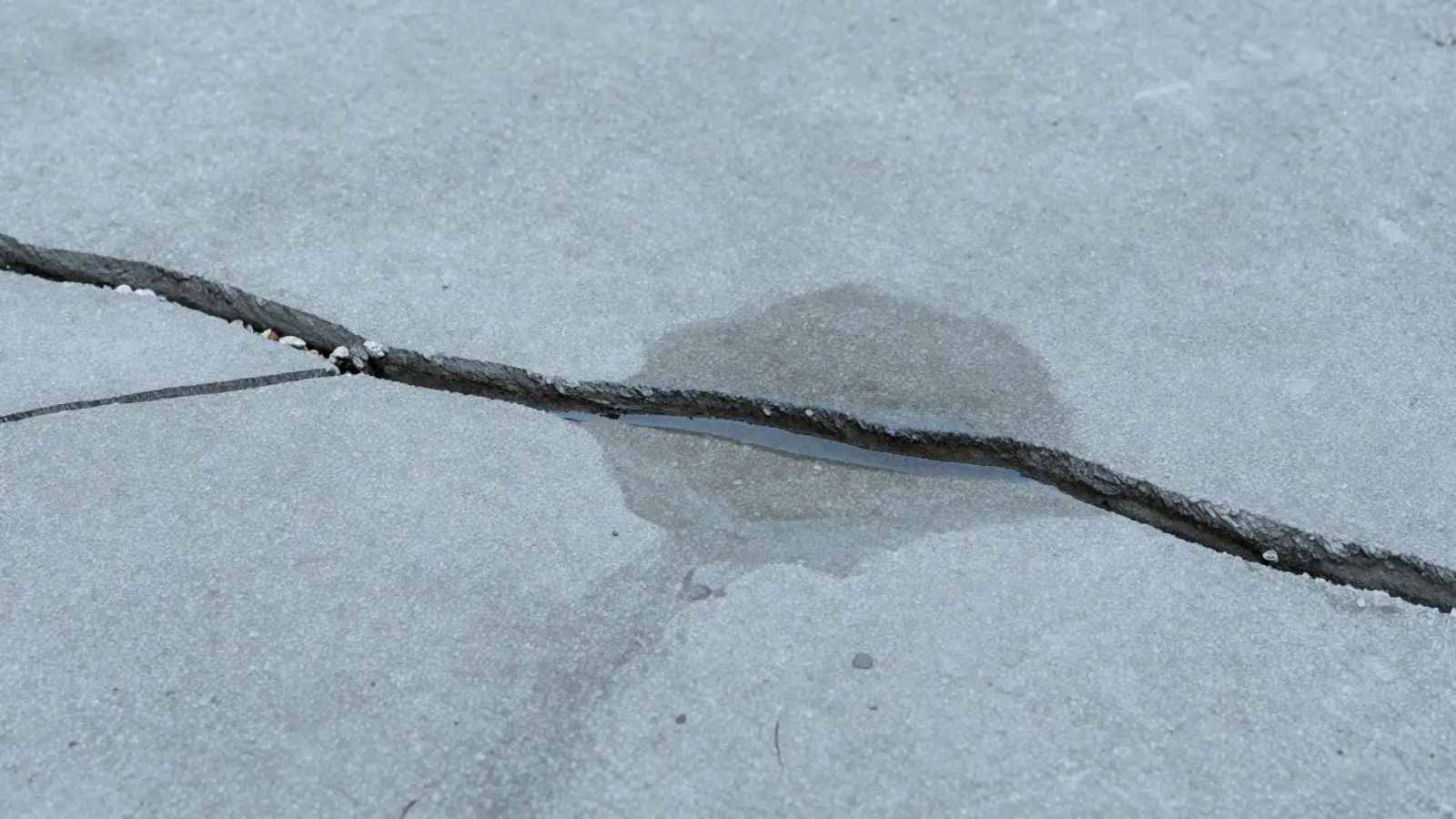
What a Slab Leak Is and How Common It Is Here
A slab leak is a leak in a water or drain line that runs in or under a concrete slab foundation. Hot and cold supply lines are the usual culprits. Pipe corrosion, shifting soil and abrasion against concrete can wear a hole over time. Water then rises through cracks or soaks the layers above.
Slab leaks are a smaller share of the calls we expect than burst pipes, supply line failures and appliance leaks, because most plumbing runs in walls and ceilings where it is easier to see. They do occur in slab-on-grade houses, garages, additions and lower-level rooms. If your home is not on a slab, a different page, such as burst pipe water damage, may match your leak better.
The City Water System Behind Your Pipes
The City of Beverly Hills 2020 Urban Water Management Plan reports 10 active reservoirs with a combined storage of 43 million gallons, and says imported Metropolitan Water District water made up 100 percent of the supply for the city's water service area in 2020.
The same plan says local groundwater is expected to supply 20 to 25 percent of the city's demand after conservation.
A City of Beverly Hills Public Works page says the Foothill Road water treatment plant opened on June 25, 2003. Water that enters a building has already traveled through this system, and a leak in a private line is the owner's to fix.
Source type: Sources: City of Beverly Hills 2020 Urban Water Management Plan and City of Beverly Hills Public Works.
What You See and What It Means
| What you see or notice | What it may mean | What to do |
|---|---|---|
| Warm spot on a floor | A hot water line is leaking beneath it | Close the main and call a plumber |
| Sound of water running with everything off | A line is open somewhere | Shut the main and check the meter |
| Unexplained jump in the water bill | Water is escaping where you cannot see it | Compare readings and call a plumber |
| Damp or lifted flooring over a slab | Moisture is rising through the concrete | Call for moisture mapping |
| Cracks with wet patches | Water is coming up through the slab | Call a plumber and us |
Slab Leak Safety: The First Hour
Close the main water valve. A slab leak is under pressure, so closing the main is the only way to stop it. If you suspect a leak but are not sure, check the water meter with every fixture off, since a moving dial means water is escaping somewhere.
Close the main valve
This stops the supply to the leaking line.
Stay off warm floors
A hot water leak can make a floor hot to the touch and unpleasant to stand on.
Mind electrical outlets
If water is rising near outlets or baseboard wiring, turn off that breaker if you can reach it on dry ground.
Do not break the slab
Cutting concrete is the plumber's job, with a plan to find the leak first.
Call a plumber and us
A plumber locates the leak. We dry the floors, walls and contents.
Water coming up through a floor?
Close the main valve and call. The line is answered 24/7.
How We Dry a Home After a Slab Leak
The plumber finds the leak by pressure testing and acoustic or thermal tools, and then reroutes or repairs the line. Our work is on the building above. We map moisture in flooring, baseboards and wall bases, and check the subfloor and any underlayment.
Water that rises through a slab often wets whatever sits on it. Wood flooring may cup, carpet pad soaks, and tile can hold moisture beneath it. Drying mats, air movers and LGR dehumidifiers are used, and in some cases floors are lifted so the slab surface can dry. Concrete dries slowly, so readings continue until the slab is within a dry target. The ANSI/IICRC S500 standard is a published reference for how drying is measured.
What Affects the Cost of Slab Leak Cleanup
Slab leaks vary in size and in how long the water ran. These five factors matter most.
How long it leaked
Months of seepage mean deeper moisture and more flooring affected.
Flooring on top
Wood, laminate and carpet respond differently from tile.
Area affected
More wet square footage means more equipment.
Drying days
Concrete dries slowly, so the slab readings stretch the schedule.
Rebuild scope
Flooring and the plumber's repair are priced separately.
Coverage often turns on cause and wording. Read your policy or call your insurer before assuming either way. Call (424) 550-5662, tell the dispatcher about the warm spot or wet floor, and the plan and price are laid out first.
Insurance and Slab Leaks
Slab leaks can be tricky for coverage because the cause is hidden and the policy may treat wear and corrosion as excluded. Some policies cover resulting damage but not the plumbing repair or access to the leak, and others cover neither. The details differ widely.
Ask your insurer early, keep the plumber's written report and save all photos and meter readings. The report showing where and why the line failed is often the most useful document.
Mistakes to Avoid
- Ignoring a warm floor spot or a bill that has jumped
- Letting moisture sit under new flooring
- Cutting into the slab without locating the leak first
- Skipping documentation before the plumber starts
- Assuming a cracked slab is only structural
Common questions
Yes. A plumber locates the leak while we handle wet floors and walls. The line is answered around the clock, and crews go out the same day when available.
Less common than other leaks. They occur mainly in slab-on-grade homes, garages and additions. Many homes have raised foundations where the leak shows up differently.
A plumber does leak detection. We map the moisture the leak caused and dry the building.
Concrete releases moisture slowly. The drying plan sets targets and readings track progress.
Sometimes. Tile often survives. Wood and laminate are more likely to need replacement.
For other plumbing failures, see burst pipe water damage and water damage repair for rebuilding. Slab leak aftermath is handled in Beverly Hills and West Hollywood, and the service area page explains how dispatch works.